On 18 February 2026, the three-year cross-border project Boost Nordic Biogas concluded, highlighting the strategic importance of biogas and digestate production in northern Finland, Sweden, and Norway. The initiative focused on improving profitability and efficiency in regional biogas production while advancing new circular solutions tailored to northern conditions. The project was led by Ab Yrkeshögskolan vid Åbo Akademi/Yrkeshögskolan Novia as Lead Partner EU and SINTEF Narvik as Lead Partner Norway, in collaboration with Stormossen Oy, Sveriges Lantbruksuniversitet, and BioFuel Region BFR AB.
A Nordic biogas network
While northern Finland and Sweden have a long tradition of biogas production, northern Norway currently lacks similar infrastructure. The project therefore prioritized cross-border knowledge transfer, facilitating dialogue between researchers and both existing and prospective biogas producers.
A shared knowledge platform was established through BioFuel Region to ensure long-term access to project results, methodologies, and best practices. The collaboration also generated policy recommendations aimed at strengthening biogas production, research, investment, and infrastructure development across the region.
Advancing biogas production and resource efficiency
The project identified significant untapped potential in organic waste streams in northern areas and addressed several production challenges with practical solutions.
One key improvement involved replacing bioplastic waste bags with paper bags for food waste collection. Testing showed that paper bags fully decomposed during anaerobic digestion, whereas bioplastics did not degrade as promised.
To enhance quality control of digestate, a promising analytical instrument was evaluated at a biogas plant, delivering encouraging results for rapid and cost-effective assessment. The project also explored converting sewage sludge digestate into biochar, offering potential as an effective carbon sink.
Closing the nutrient loop sustainably
Strengthening the commercial use of digestate was identified as a pathway to improved profitability. Producing fertilizers from local, renewable resources can increase regional self-sufficiency and reduce reliance on imported fossil-based mineral fertilizers.
Trials in Vaasa demonstrated that reed can serve as a valuable feedstock for biogas production while simultaneously mitigating eutrophication. In three-year cultivation trials with oats and barley, digestate-based fertilizers delivered yields comparable to mineral fertilizers.
The project also reviewed current research on microplastic levels in agricultural soils following sewage sludge application. Additionally, studies on pharmaceutical uptake in crops revealed that certain compounds were present in straw but not in the grain consumed by humans.

Growing interest in liquefied biogas (LBG)
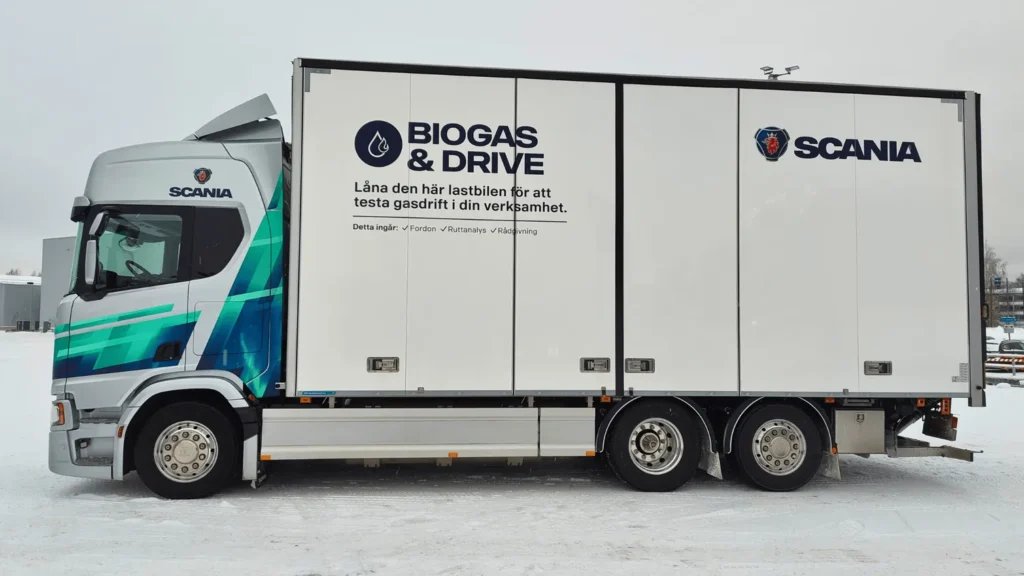
Liquefied biogas (LBG) was identified as a renewable energy carrier with strong potential in heavy transport and maritime sectors, particularly in regions where electrification remains challenging. The project assessed LBG market potential, production technologies, and key barriers, including price competition from LNG, uncertain subsidy schemes, and the need for expanded refueling infrastructure.
According to Ida Norberg of BioFuel Region, close collaboration with biogas producers ensured that the project addressed real industry needs, with the LBG pre-study serving as a prime example.
Project partners
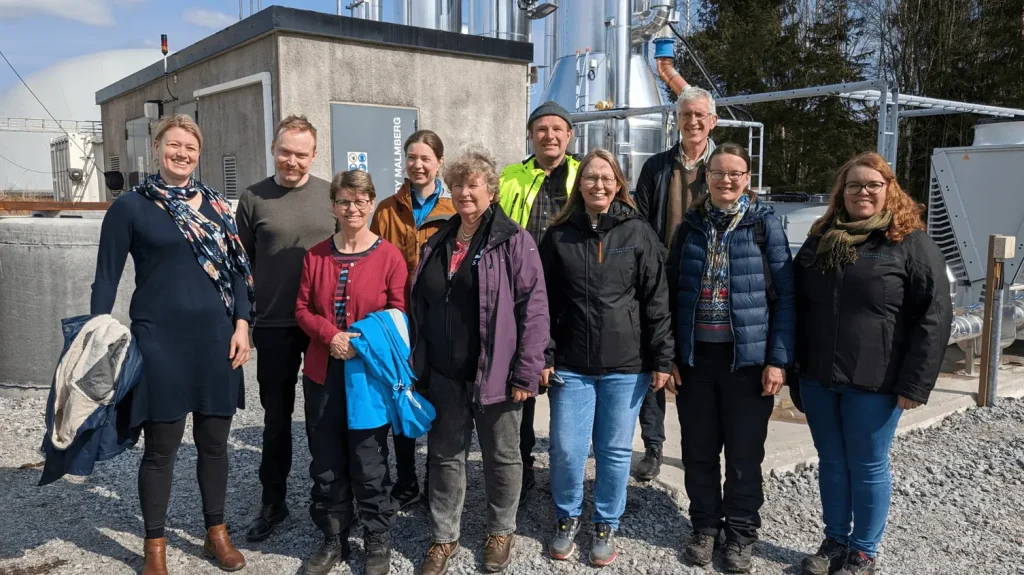
The project group extends its sincere thanks to participating partners: Yrkeshögskolan Novia, Swedish University of Agricultural Sciences, Stormossen, BioFuel Region, and SINTEF Narvik.
Boost Nordic Biogas demonstrates that cross-border collaboration, targeted research, and practical innovation can unlock the considerable biogas potential of northernmost part of Europe—contributing to regional sustainability, energy security, and circular economy development.
Read more about the completed Interreg Aurora project Boost Nordic Biogas here.