
The Interreg Aurora financed project Kvarken UniCollab has successfully laid the foundation for long-term and strategic collaboration between universities and universities of applied sciences across the Kvarken region. Through a series of cross-border workshops, institutional meetings, and targeted communication efforts, the project brought together six higher education institutions to explore shared opportunities in education, research, and regional development. The Unicollab pre-study was carried out in 2024–2025 as an Interreg Aurora project, with the Kvarken Council as the sole beneficiary and lead partner.
Building a Collaborative Platform
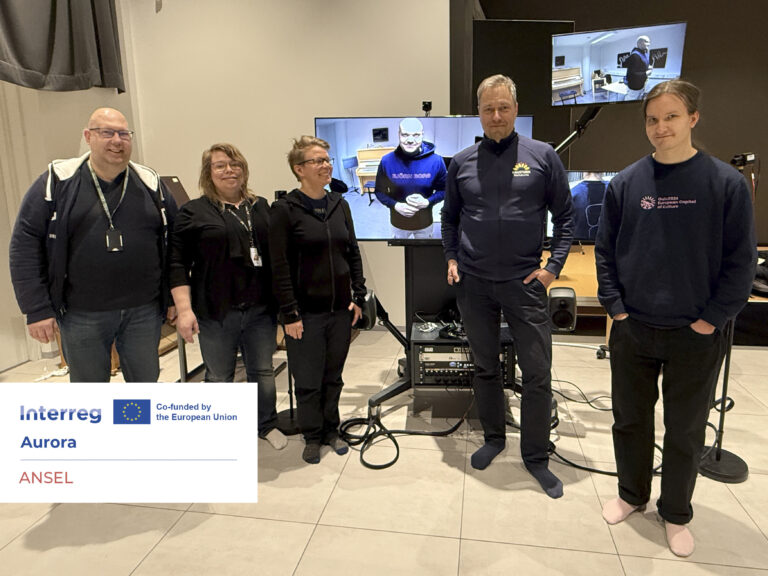
Led by the Kvarken Council EGTC, the project created a structured arena where participating institutions—including Umeå University, University of Vaasa, Mid Sweden University, Vaasa University of Applied Sciences, Novia University of Applied Sciences, and Hanken School of Economics—could exchange insights, explore partnerships, and map out future joint initiatives. Four physical workshops were held in Umeå, Vaasa, and Sundsvall, bringing together academic leaders, researchers, and administrative representatives.
These workshops enabled:
-
A deeper understanding of each institution’s educational and research environments
-
Identification of concrete collaboration opportunities in basic education, research, and regional engagement
-
Development of initial frameworks for long-term cooperation
The steering group, chaired by Professor Heidi Hansson (Umeå University), ensured consistent coordination and the continued involvement of key stakeholders throughout the project.
Engaging Target Groups and Regional Actors
Strong involvement from university staff and management was ensured through targeted invitations and continuous dialogue. Participants also had the opportunity to meet local and regional stakeholders—including representatives from the business community and public sector—underscoring the importance of academic collaboration for regional competitiveness.
Project results were communicated through newsletters, social media, institutional channels, and presentations at key events such as:
-
The Nordic Council’s study visit in Vaasa (August 2024)
-
The Innlandet–Dalarna regional cross-border meeting in Umeå (November 2024)
-
The Kvarken Council EGTC Annual Meeting in Sundsvall (May 2025)
All results are published openly via the Kvarken Council’s website: Kvarken Unicollab – Kvarkenrådet,
Key Outcomes
The project achieved significant results that will guide future collaboration efforts:
Enhanced cross-border understanding
Participants gained insight into each other’s academic structures, infrastructures, and ongoing research projects—highlighting opportunities to share resources and develop joint initiatives.
New collaboration structures
Several working groups were established to continue development beyond the project period:
-
Summer School development
-
Graduate School development
-
Online courses and joint programs
-
Energy research collaboration
-
Risk, crisis management, and health research collaboration
Improved strategic alignment
Universities identified the need for shared goals, reduced administrative barriers, and coordinated academic mobility initiatives to attract international students and strengthen regional talent retention.
Direct implementation examples
One notable outcome was Umeå University’s decision to hold its 2025 spring leadership meeting in Vaasa—fully financed by the universities—which focused on deepening collaboration with the University of Vaasa and Åbo Akademi University.
Cross-Border Added Value
The project demonstrated that cross-border collaboration provides clear advantages:
-
Access to a broader pool of expertise and infrastructure
-
Increased international attractiveness of the region
-
Stronger innovation capacity through shared research
-
Improved alignment with regional workforce needs
These outcomes contribute directly to the UN Sustainable Development Goals, particularly Quality Education (SDG 4), Industry–Innovation–Infrastructure (SDG 9), and Partnerships for the Goals (SDG 17).
Exit Strategy and the Road Ahead
The project has created a sustainable framework for continued cooperation. The new working groups, shared communication channels (including a joint Teams platform), and strengthened institutional relationships guarantee continued progress beyond the project’s end. An important lesson from the project is the need to develop structures for long-term collaboration between the higher education institutions. In the competitive environment of international higher education, regional initiatives require additional attention and support.
Partners are now preparing to explore potential funding opportunities for a larger main project to further develop cross-border educational and research collaboration in the Kvarken region.
Read more about the finished Interreg Aurora small-scale project Kvarken UniCollab here.