Interreg Arctic Clustering project
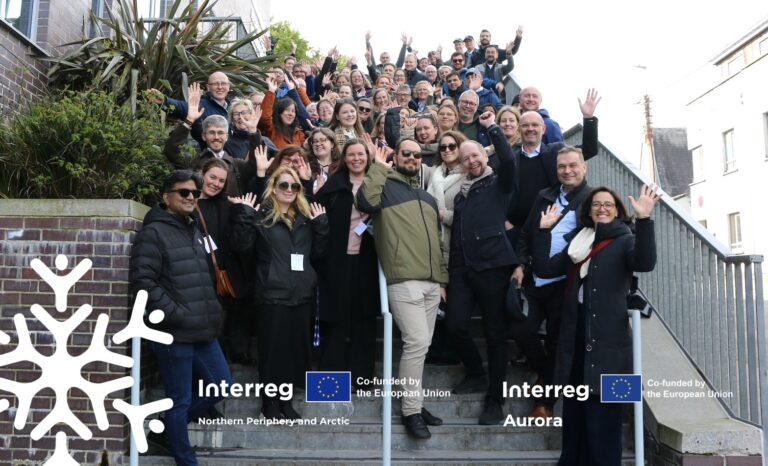
IHANAT is one of six Interreg Arctic Clustering projects, bringing together resources and expertise from Interreg Aurora and Interreg Northern Periphery and Arctic programmes to achieve the best results for Arctic and near-Arctic communities. The project is a cross-border project funded by Interreg Aurora.
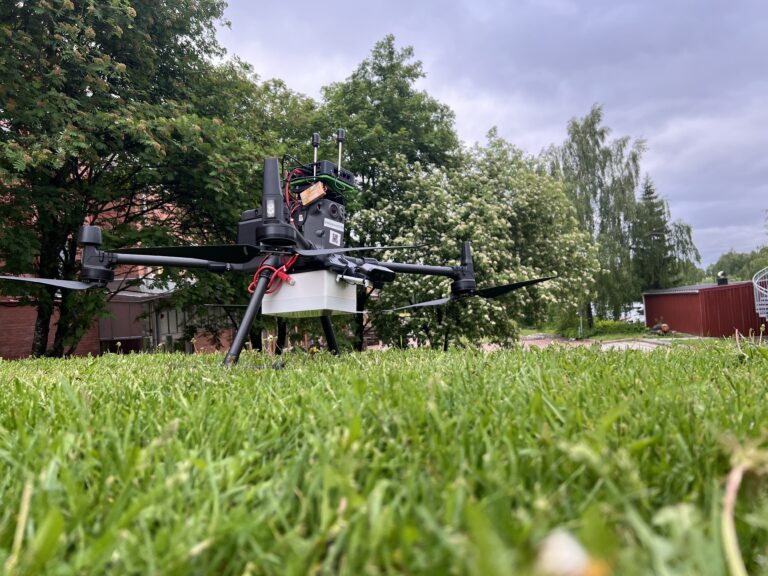
IHANAT connects ecological expertise with AI, robotics, and digital technologies to support smarter and more sustainable management of invasive alien species in Arctic and sub-Arctic environments. The project focuses on practical technology adaptation, stakeholder collaboration, and capacity building for nature protection.
Project objectives
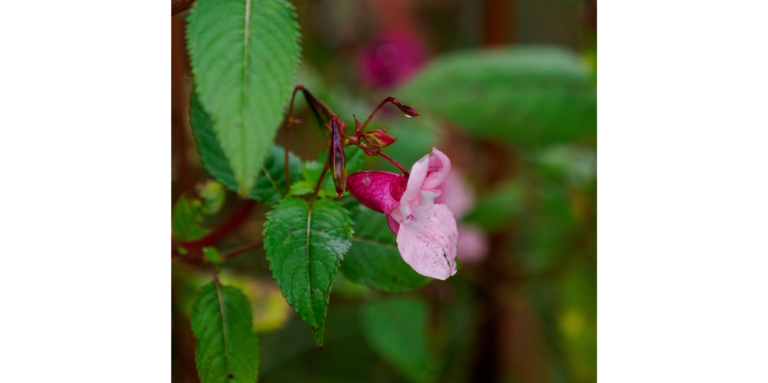
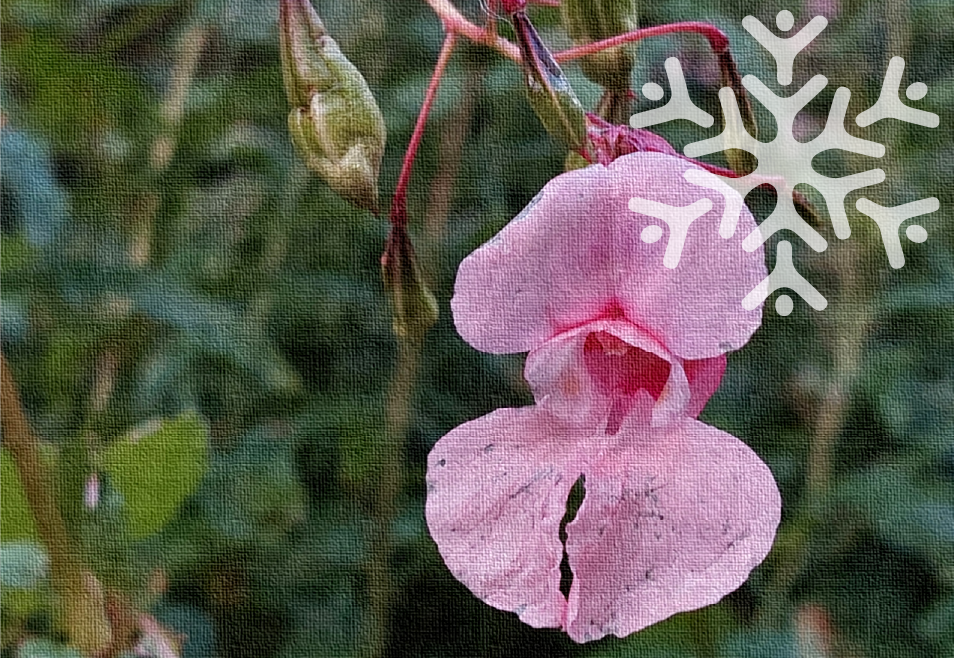
The IHANAT project aims to enable the practical use of AI and robotics in the management of invasive alien species in Arctic and near-Arctic regions by connecting ecological and technological expertise. IHANAT seeks to develop a collaborative framework integrating the outcomes from the Interreg Aurora funded project INSPIRE and the Interreg NPA funded project ROBODEMO for detecting and monitoring invasive species Himalayan balsam. The project promotes innovative solutions at the intersection of environmental protection and advanced technologies through cooperation between universities, public authorities, and SMEs. In addition, IHANAT strengthens cross-border collaboration between Sweden and Finland to support sustainable biodiversity protection and build long-term regional capacity for smart ecosystem management.
Target group
The target group consists of local communities, environmental researchers, industrial stakeholders, and governmental agencies in both Sweden and Finland, particularly those involved in managing and preserving the natural resources of the Lapland region. This includes rural inhabitants, policymakers, and key stakeholders such as the Lapland Centre for Economic Development, Transport and the ELY Centre, Länsstyrelsen.
Contact
George Nikolakopoulos, project coordinator, Luleå tekniska universitet, geonik@ltu.se
You can find more information on the project web page
 .
.