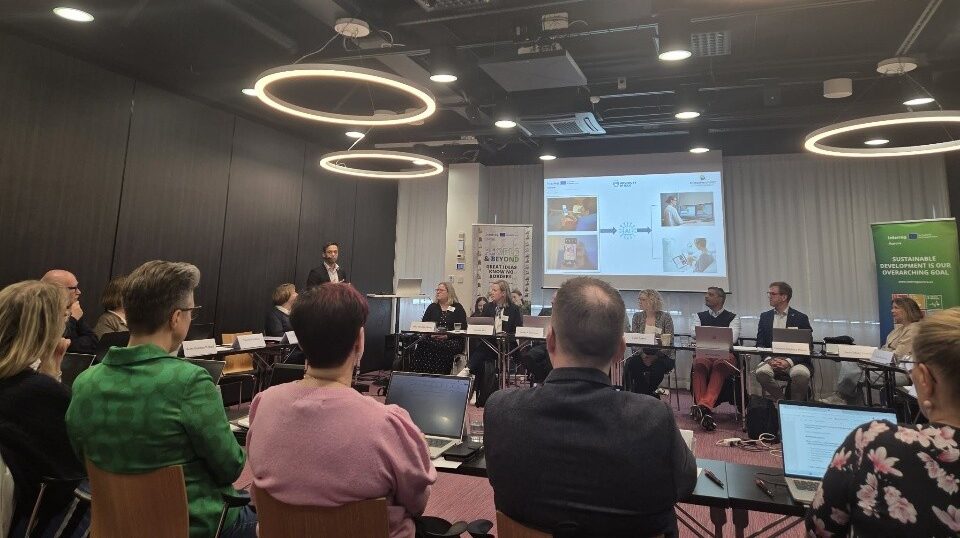
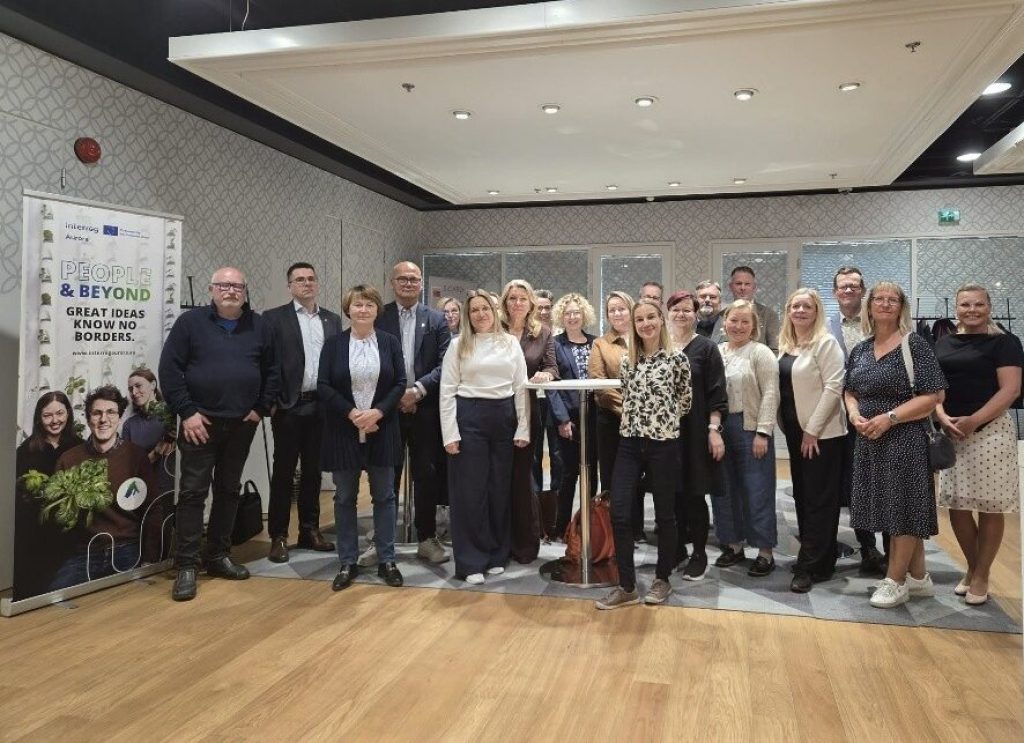
The Interreg Aurora Steering Committee for sub-area Aurora, met 3-4 June 2026 in Oulu to decide on new cross-border cooperation projects.
Funding was granted to 26 new projects in sub-area Aurora in the 8th call for Regular project applications. The approved projects will receive a total of approximately 18,9 million euros in funding from the European Regional Development Fund, and 1 million euros in Norwegian Interreg funding.
Strengthening Food security, sports and culture, and preparedness
One of the approved projects is Arctic Resilient Roots – Building Competitiveness with Food Security in Cross-border Co-operation. The project aims to strengthen food production, food security and crisis preparedness in Norrbotten (Sweden) and North Ostrobothnia and Lapland (Finland) by studying best practices, disseminating new knowledge in the target group and creating informal transnational knowledge sharing networks between farmers and food producers. The project aims to create higher financial awareness and skills for the target group of profitability.
The project SCUBA (Sport, Culture and Business in the Arctic) overall objective is to build a more attractive and resilient Aurora programme area by creating a joint cross-border sports and culture event ecosystem. By the end of the project, partners will have shared strategies, tested cross-border arenas and active SMEs, youth and female networks that increase competence, cooperation and visibility. The project will deliver measurable improvements in event planning and collaboration, stronger SME involvement and new cross-border event concepts that can continue after the project.
Another approved project, Secure Kvarken aims to strengthen long-term municipal cooperation and knowledge exchange on the municipal level in the Kvarken region, focusing on security, resilience, and preparedness. This new initiative creates added value by complementing and enhancing the formal responsibilities municipalities already have within existing preparedness and resilience frameworks.
Janet Ågren, Chair of the Steering Committee for sub-area Aurora, states that “Cross-border projects help address shared challenges in the programme area and foster strong and lasting partnerships. Interreg Aurora demonstrates the value of cooperation across borders, enabling us to achieve results together that no region could accomplish alone. In this call, we have received a very high number of applications from the whole programme area, demonstrating strong interest in implementing Interreg Aurora projects. We have carried out a thorough and careful assessment process to prioritize the projects that will receive funding”.
Best wishes for a successful cross-border cooperation to all the new approved Interreg Aurora projects!
The funding will support a wide range of projects. Here you can find the list of all approved projects Approvals REG Call 8 – SC June 2026.
Upcoming calls for new project applications
The Interreg Aurora programme will open new calls for both Small-scale and Regular project applications on 7 September 2026. The calls close 7 October 2026. It is important to read and check the Terms of Reference before applying, since there are limitations in the upcoming calls.
Read more about upcoming calls and Terms of Reference
Informative and exciting days in Oulu – The European Capital of Culture 2026
Piia Rantala-Korhonen welcomed the Steering Committee to Oulu. She is the CEO of the Oulu Culture Foundation. She informed about Oulu 2026 – the European Capital of Culture, is a large-scale cultural initiative involving Oulu and other municipalities across northern Finland. The programme has a total budget of approximately €48 million, funded through public contributions, ticket sales, project financing, sponsorships, and private support from Finnish and Swedish cultural foundations.
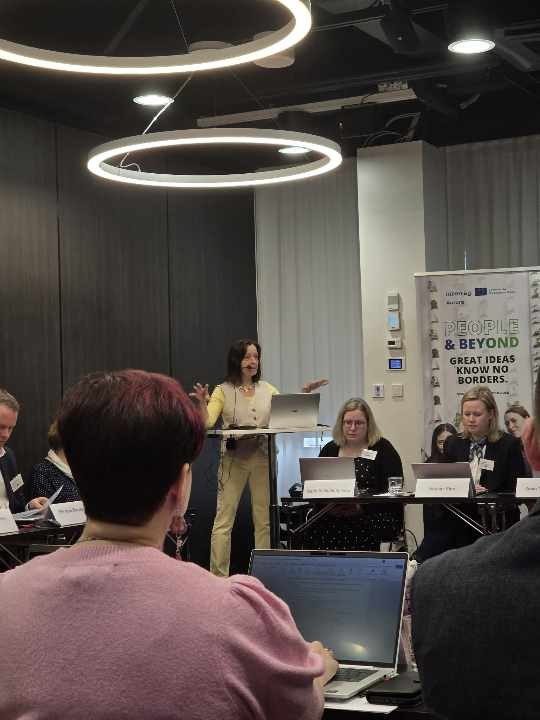
The programme will feature around 3,500 events across the region and is expected to attract approximately 2.5 million visitors. Tourism has already shown growth, with overnight stays increasing by around 20%, and even higher visitor numbers are anticipated during the summer season. The initiative is expected to generate significant economic benefits not only for Oulu but also for smaller municipalities, where cultural events can have a major impact on local businesses, accommodation providers, and the wider economy.
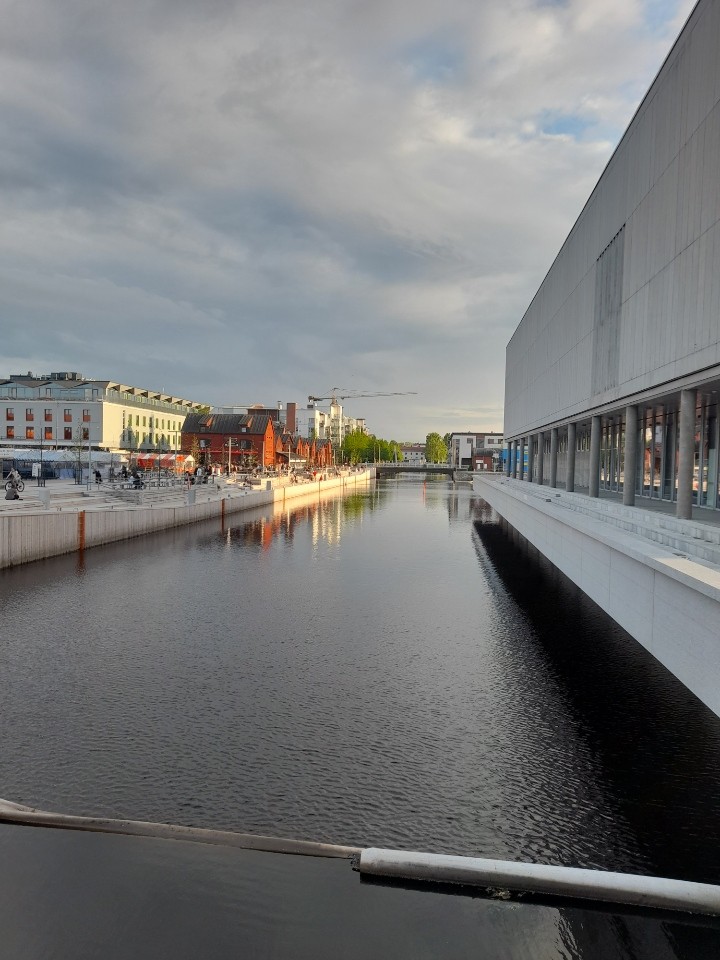
The cultural programme reflects the unique character of northern Finland, highlighting Arctic winter culture, Sámi culture through an extensive Sápmi programme, outdoor events, summer festivals, and projects that combine art and technology. Oulu 2026 also places a strong emphasis on sustainability. Rather than constructing new buildings, the organisers focus on repurposing existing spaces for cultural activities and artistic experiences. For example, Oulu’s City Hall has been transformed into a cultural venue and exhibition space. The organisers also hope that the strong volunteer culture developed through the programme will continue beyond 2026.
Sustainability is further linked to the United Nations Sustainable Development Goals, with the ambition of making Oulu a vibrant and resilient city. Food culture is one of the focus areas, particularly through the Arctic Food Lab initiative, which promotes local Arctic food traditions.
Oulu is also involved in an Interreg Europe project together with eight other European Capitals of Culture, aiming to maximize the long-term social and cultural impact of culture-led development. A key objective is to strengthen social cohesion, trust, and resilience, particularly in suburban areas where residents may experience lower levels of well-being and social connectedness. Culture is viewed as a tool for building social capital and creating stronger communities.
Volunteerism plays a central role in achieving these goals. They actively encourage immigrants to participate as volunteers, offering opportunities to gain experience, develop skills, build networks, and become more engaged in community life. Through these efforts, Oulu 2026 seeks to create lasting cultural, economic, and social benefits that will continue long after the European Capital of Culture year has ended.
Project presentation – Interreg Aurora funded project DSS-Oral
At the Steering committee meeting, Associate Professor Saujanya Karki from the University of Oulu highlighted the critical role of oral health as an integral part of overall health, quality of life, and well-being. He is working with the ongoing Interreg Aurora project DSS-oral, Digital support solutions for oral health care.
Oral diseases remain a major global health challenge, affecting approximately 3.5 billion people worldwide—nearly half of the world’s population. Dental pain and untreated oral conditions can have a significant impact on daily life, health, and productivity.
The economic burden is also substantial. Across the European region, annual expenditure on the treatment of oral diseases is estimated at around €96 billion.
He also pointed to growing workforce challenges in dentistry. In Finland, the density of dental personnel has declined from 8.4 professionals per 10,000 inhabitants in 1990 to 7.0 in 2023. Sweden has experienced an even greater decline, with a reduction of 6.5 dental professionals per 10,000 inhabitants during the same period.
Artificial intelligence (AI) was highlighted as a promising tool to help address some of these challenges. Attitudes toward AI are generally positive, particularly when it is used as a supportive tool for dental professionals. Ease of access and usability were identified as key factors for successful implementation, with users preferring AI solutions that are fully integrated into existing patient management systems without requiring additional software or extra steps.
Current results indicate that their AI model under development has been well accepted, although further improvements are ongoing. The research team aims to refine the model and expand its use across Nordic dental specialties in the future.