PRESERVE
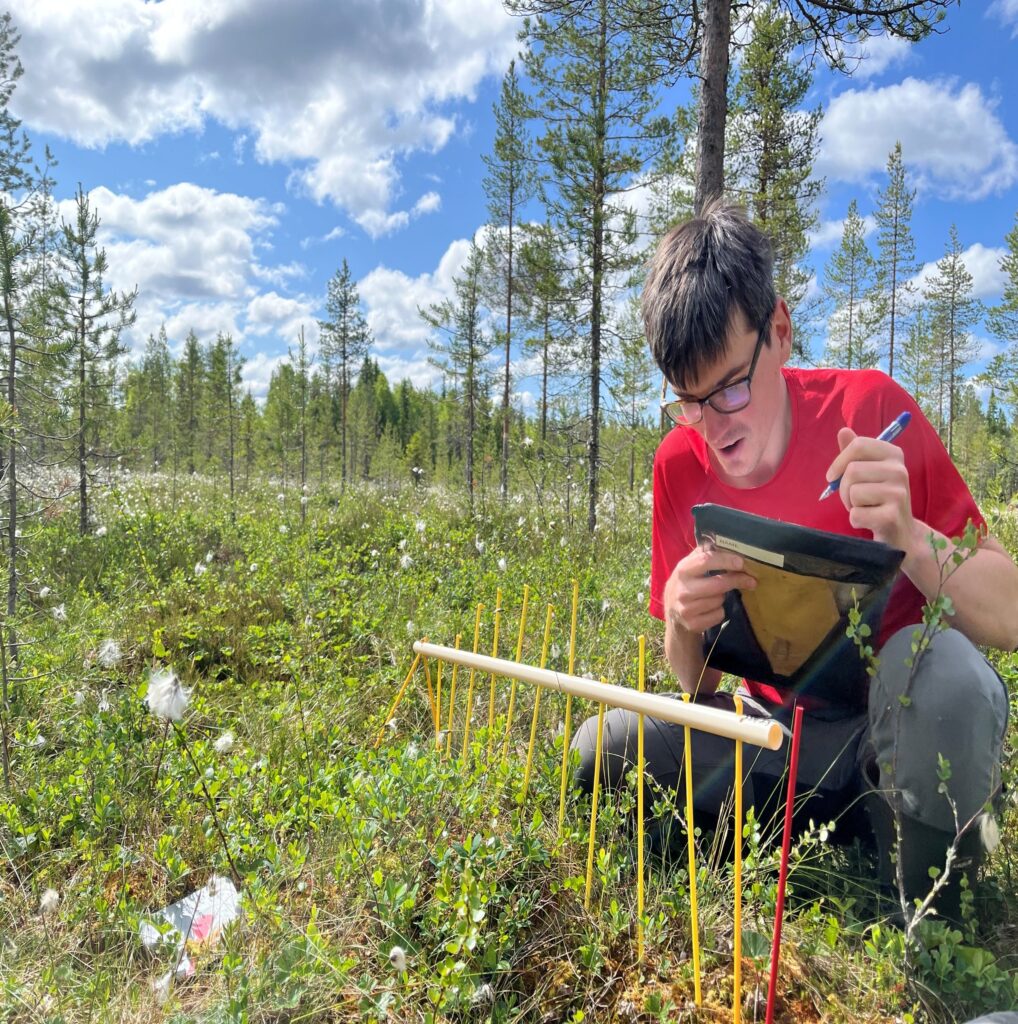
PRESERVE – Protection and REStoration of peatland biodiversity, and Ecosystem seRVicEs in Natura 2000 sites The Interreg Aurora funded project PRESERVE aims to address the critical challenges of peatland degradation in the Aurora and sub-Arctic regions, with a focus on Natura 2000 areas in Finnish Lapland and Västerbotten, Sweden. By developing harmonized methods and innovative […]
HIDDEN – Habitat Investigation in Diverse and Dynamic Estuarine Networks
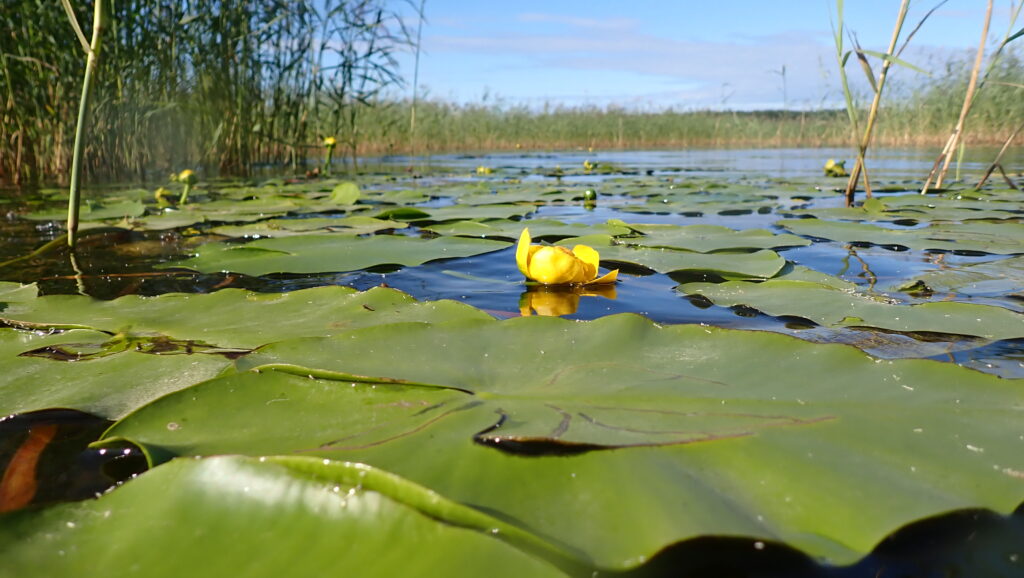
An estuary is a place where a river meets the sea. The estuaries of the Gulf of Bothnia are ecosystems with unique mixtures of marine and freshwater species. They are important for underwater vegetation, fish recruitment and many bird species and have the potential to contribute significantly to blue carbon. The coast and particularly its […]
SealHabitat
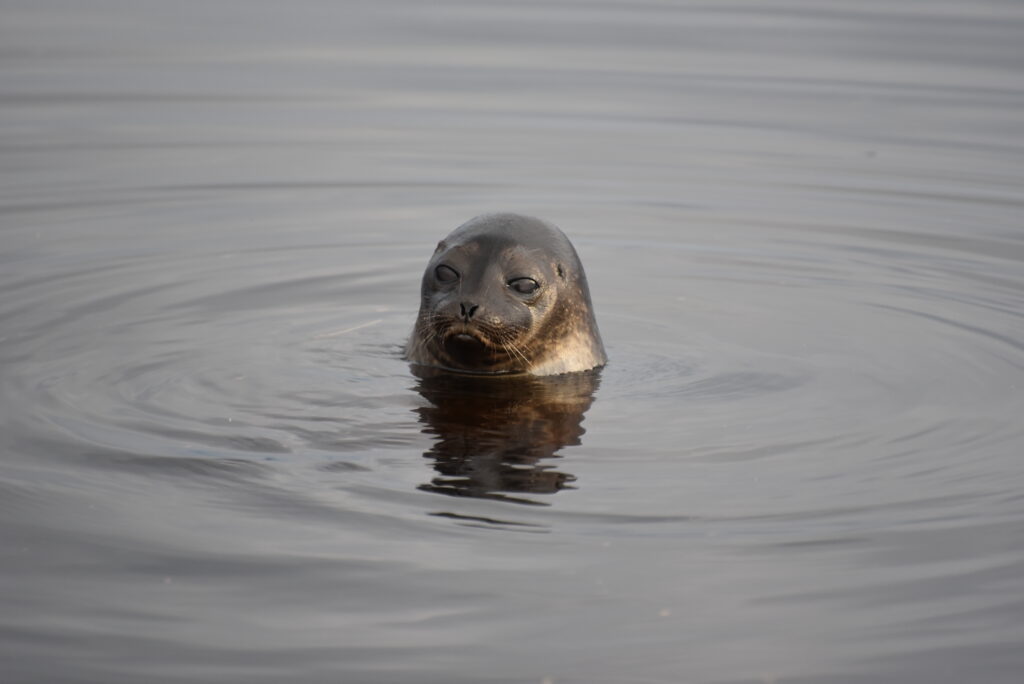
As top predators, the Baltic ringed seal and the endangered Saimaa ringed seal play vital roles in their ecosystems, with the Bothnian Bay serving as a critical habitat for the whole Baltic subspecies in the changing climate. Despite some recovery from historical exploitation, both populations face increasing human pressures, especially from changes in land and […]
NORDSKILLS
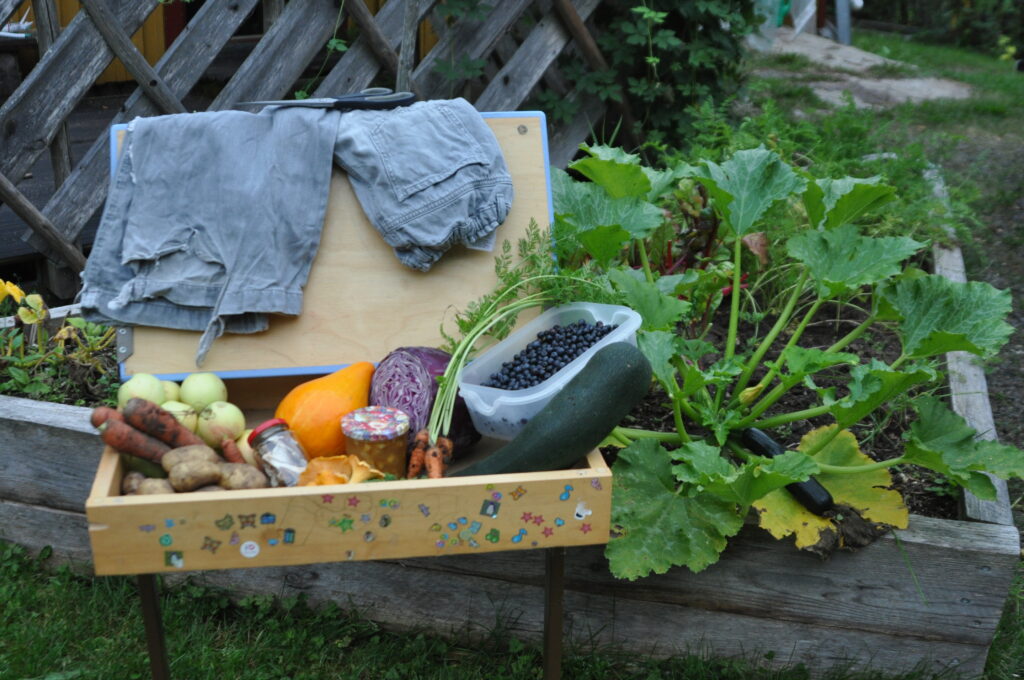
In times of weakening human-nature relations and insecurity Nordskills project fosters self-sufficiency practices of young people in the Nordic region to enhance their adaptation capacities to climate change and other crisis. The project develops and implements applied and long-term self-sufficiency education practices at schools in Finland and Sweden. The project focuses on learner-centred self-sufficiency environmental […]
SEEC – Sustainable and energy-efficient energy communities

SEEC – Sustainable Energy-Efficient Energy Communities is a cross-border project funded by Interreg Aurora. The project is focusing on the development and piloting of sustainable, energy-efficient energy communities in Arctic and near-Arctic regions. The project supports the green transition by offering practical solutions tailored to regional conditions such as cold climate, long distances, and sparse […]
Northern Traffic Lights
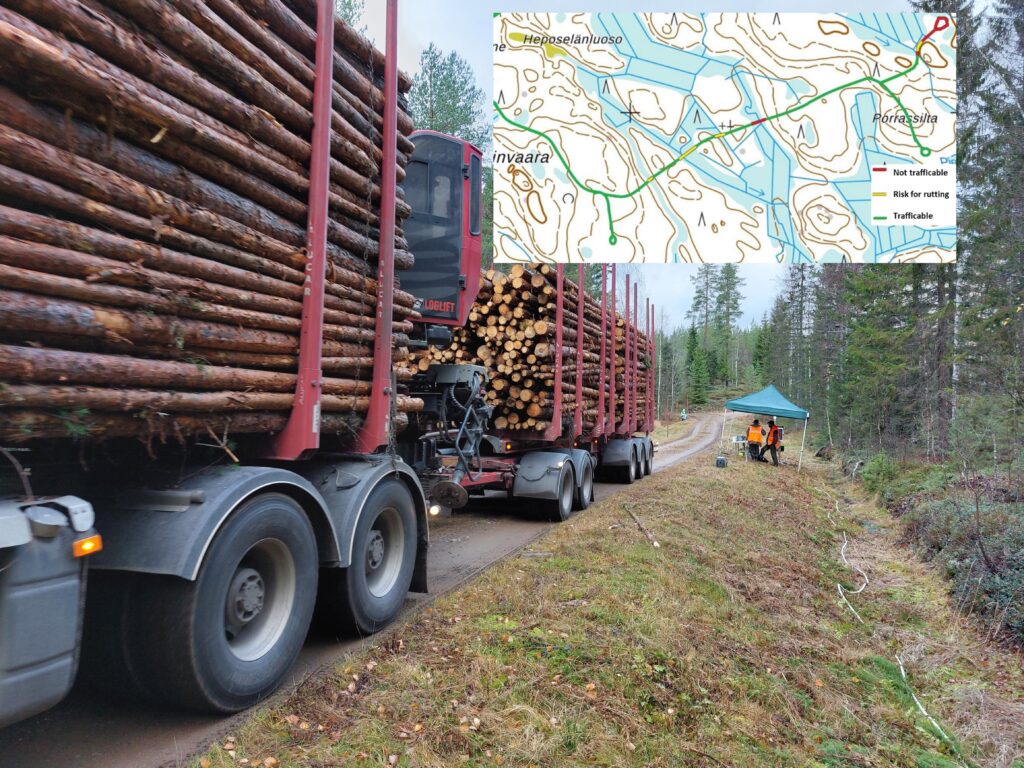
The importance of trafficable private gravel roads in the Aurora programme area is considerable. Today, information on the trafficability of gravel roads is based on the local knowledge of residents and road users. This information is fragmented, imprecise and difficult to obtain and use. New road information would help people make decisions for the personal […]
BB Alien – Beyond Borders: Joint Efforts to Combat Invasive Alien Species
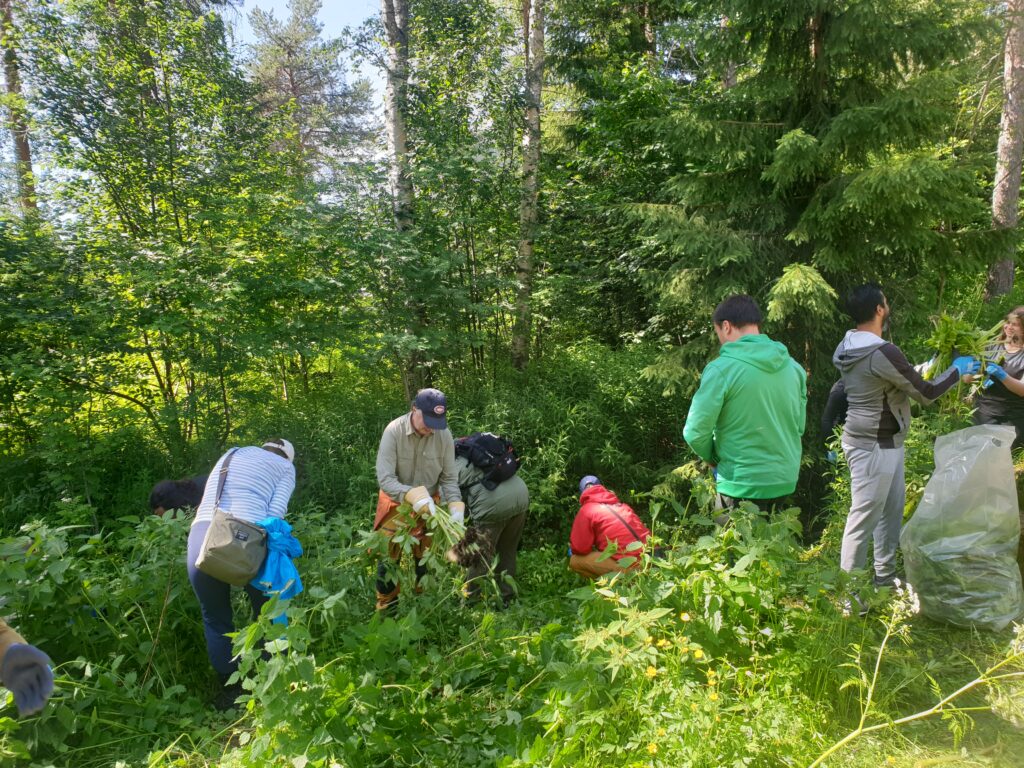
Invasive alien species (IAS) pose a major threat to northern biodiversity. IAS benefits from climate change and therefore has an advantage over native species, especially in northern latitudes where the global warming goes faster. IAS is spread both by humans and naturally through for example watercourses, and do not accept any boarders. Therefore, it is […]
MASSIW – Developing acid sulfate soil management for improved water status
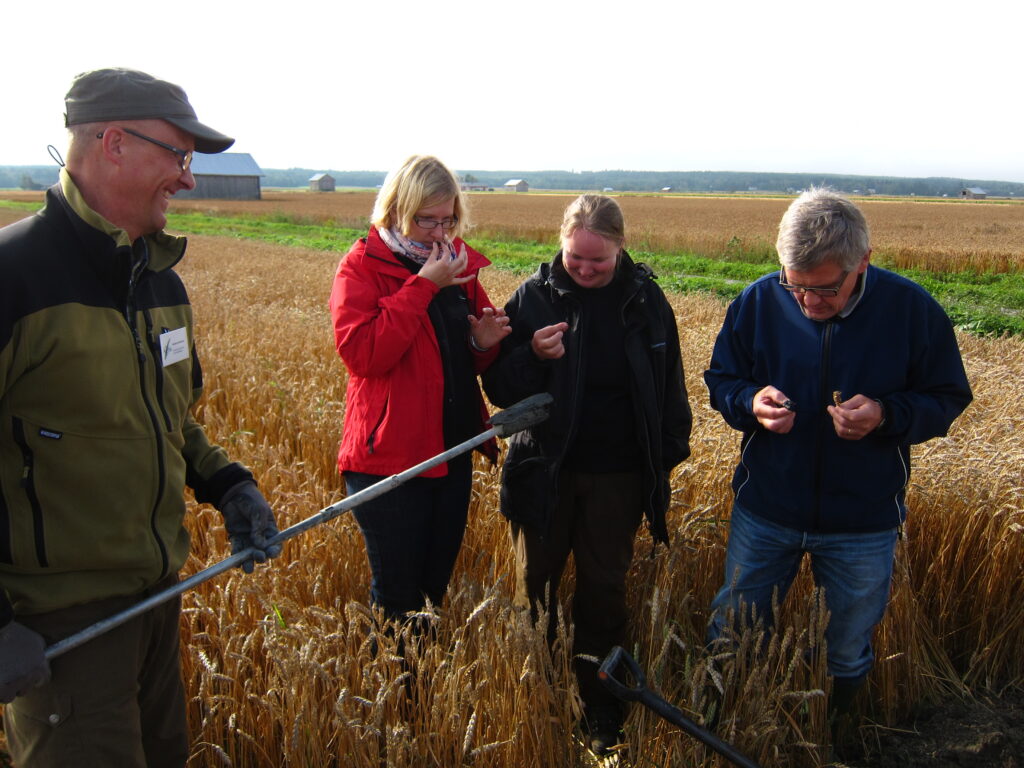
Leaching of acids and metals from acid sulfate soils causes similar challenges for Finland and Sweden within the Interreg Aurora programme area. This includes acidification and metal contamination of soils and waters, leading to biological degradation including loss of aquatic biodiversity, impaired fish reproduction and reoccurring mass fish kills. As a consequence, many water bodies […]
Insects of the North
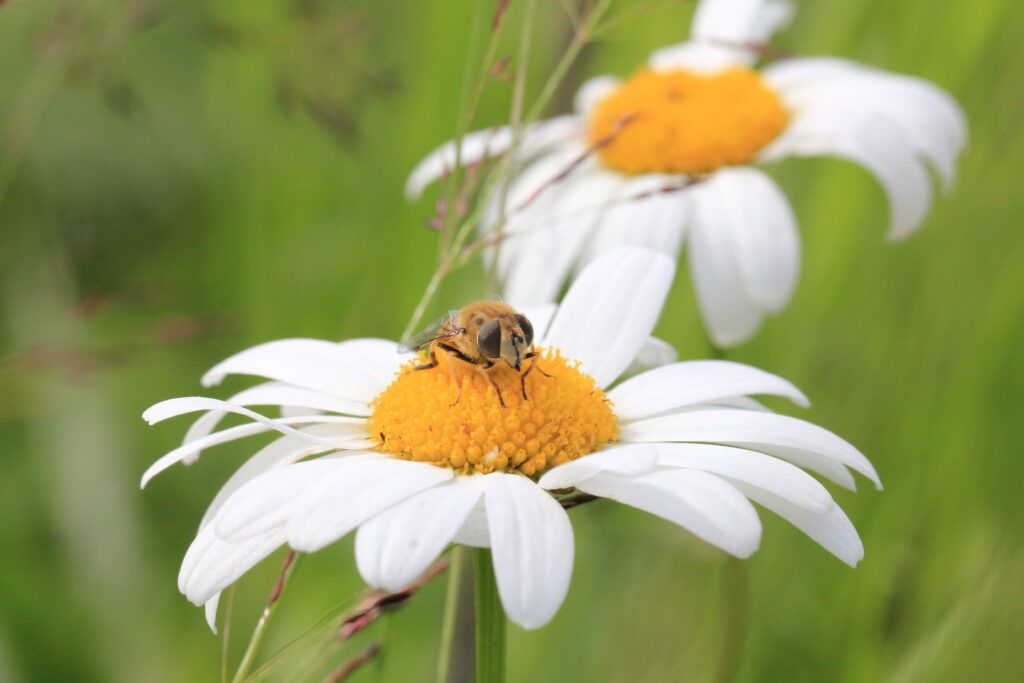
Insects bring huge benefits to humanity but information on the status and trends of insect populations is largely lacking, especially in the northern parts of the Nordic countries. Given their importance, the need for monitoring methods adapted to the specific conditions in the North is obvious. As insects are also ideal indicators of biodiversity and […]